evil crawling things Forest Map & Fog Guide
Learn Forest landmarks, fog visibility, and routes that support hiding or fighting back.
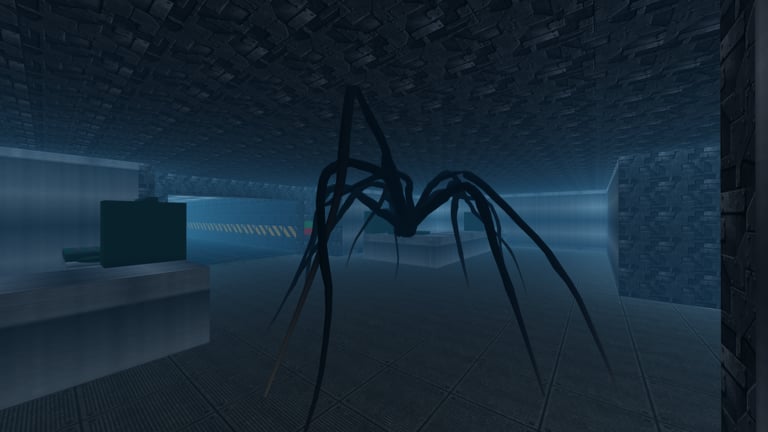
The Forest map is the landmark playground of evil crawling things—tree cover, uneven ground, prop clusters, and a fog layer that reshaped visibility after the fog-focused update. This guide covers how to read the Forest, use fog without false confidence, pick landmarks for rotates, and choose routes that support hiding or fighting. Pair it with How to Hide, Updates, How to Survive, Weapons and Gear, Getting Started, Codes, and the Tier List.
What the Forest asks of you
Forest rounds reward players who think in cover chains instead of single bushes. A good life is a sequence: spawn read → early pocket → mid-round micro-rotates → late-timer dead-quiet hold. Fog changes how far you can trust your eyes, so landmark memory matters more than raw reaction time.
Mental model:
- Clearings are negotiable space, not homes.
- Tree lines are highways if you stay off the ridgeline silhouette.
- Prop clusters are strong until the whole lobby stacks them.
- Fog banks are temporary shields that move the skill check to listening.
Fog update: visibility rules of thumb
After the fog update, players report thicker atmospheric cover and different fight distances. Practical rules:
- Assume shorter reliable vision — engage ranges that felt free pre-fog may now be speculative.
- Edges betray you — standing on the border where fog thins creates a popping outline.
- Sound rises in value — when eyes fail, headphones and stillness decide who rotates first.
- Do not sprint celebrate — fog is not invisibility; it is reduced information for both sides.
- Relearn after patches — check Updates when density or map props change again.
If you learned the map from older clips, rebuild your distances in custom warm-up rounds before trusting muscle memory.
Landmark categories to memorize
You do not need every leaf. Memorize categories:
- Anchor trees / rock teeth — unique shapes you can describe in chat and navigate toward blindly.
- Dense prop pockets — multi-exit furniture or map props for emergency breaks.
- Open meadows — cross only with fog timing or crawler attention elsewhere.
- Choke gaps — narrow approaches where shotguns and melee from Weapons and Gear excel.
- Shop-safe pauses — dead angles where you can open the left-side Shop without free dying.
Name your anchors privately (“split rock,” “triple stump,” “fence bite”) so rotates become intentional.
Routes for hiding
Hide routes prioritize LOS breaks over speed. A sample stealth macro-route:
- Leave spawn toward the nearest hard cover, not the prettiest bush.
- Hook into a fog bank if a crawler advertises early pressure.
- Micro-rotate to a secondary pocket once teammates crowd your first hide.
- Late timer, choose the pocket with an exit plus audio advantage—not the deepest dead end.
Details on stillness, aggro, and fog edges live in How to Hide. Forest just supplies the geometry those habits need.
Routes for fighting back
Fight routes prioritize chokes and pre-aimed lanes:
- Pick a gap the crawler must enter to reach you.
- Keep a fog or trunk reset behind your shoulder.
- Commit shotgun / SMG / explosive only when the enter is real.
- After shots, immediately leave the burned angle—Forest has extras; use them.
If your timer strategy says hide, ignore fight routes entirely. Map knowledge is not a mandate to duel. See How to Survive.
Ambush lanes versus escape lanes
Ambush lanes — short sight corridors into your held prop, ideal for prepared guns. Escape lanes — side exits that dump into alternate tree cover without crossing a meadow.
Every hold should list both. A glamorous ambush with zero escape becomes a coffin when the first magazine misses. Mark escapes during calm seconds at round start.
Common Forest mistakes
- Camping the same viral bush every round until crawlers pre-clear it.
- Crossing meadows because “fog looked thick” without listening.
- Shopping mid-trail after hearing footsteps.
- Chasing kills into unknown fog when the timer only needs quiet.
- Stacking five players on one landmark so one aggro wipe deletes the lobby.
Using economy on this map
Forest close chaos often favors shotguns and disciplined explosives; longer lanes between tree belts can justify SMG pressure. Fund those choices with Codes and the ~1.2x group Coin boost, then validate preferences on the Tier List. Map first, shop second: a perfect gun in a terrible meadow angle still loses.
Solo practice plan on Forest
- Spend two rounds only learning three named anchors and paths between them.
- Spend two rounds practicing fog-edge discipline—never stop on the outline.
- Spend two rounds with intentional choke holds using your chosen weapon.
- Review deaths on a notepad: meadow cross, burned bush, fog edge, or bad shop timing.
- Skim Updates weekly so fog changes do not blindside you.
Linking map skill to the rest of your game
Forest mastery multiplies every other guide. Hiding tips need trunks and fog; survival timers need late-round pockets; weapons need chokes that match their range. When a patch retunes fog, return here first, then adjust hide and gear habits.
Learn the Forest as a graph of cover—not a screenshot of trees—and evil crawling things becomes a readable puzzle instead of a random jumpscare machine.
Frequently Asked Questions
Quick answers for evil crawling things survivors.
Did the fog update change how Forest plays?
Yes. Visibility shrank for many fights, so sound, landmarks, and fog-edge discipline matter more than old long-range peeks.
What should I memorize first on Forest?
A few unique anchors, multi-exit prop pockets, meadow crossings to avoid, and chokes that match your weapon.
Is fog enough to sprint safely?
No. Fog reduces vision but does not erase motion reads or sudden clearings. Move with intent.
Where do I read patch notes about map changes?
Check the Updates hub whenever fog density, props, or routes shift.
Which sibling guides pair with this map page?
How to Hide for stealth habits, How to Survive for timer calls, and Weapons and Gear for choke loadouts.